
French & Swiss Stereotypes: What Students Really Think

As a French teacher working with international students in France and Switzerland, I hear the same questions over and over: "Are French people really rude?" "Do the Swiss actually eat fondue every day?" "Is everyone always on strike in France?"
After years of teaching expats from all corners of the world—from the US and UK to Japan, Brazil, and beyond—I've collected their honest observations about French and Swiss stereotypes. Some clichés turned out to be surprisingly accurate. Others? Completely off the mark.
Let's explore what my students really discovered when they moved to French-speaking countries—the good, the bad, and the hilariously unexpected.

Do you want to learn French but don't know where to start or what to do ? Download my free e-book where I'll share free resources to learn French in only 15 minutes a day!

French Stereotypes: What's True, What's Not?
Let's break down the most common French and Swiss stereotypes one by one — and find out which ones are actually true.
Stereotype 1: French People Are Rude
This is the most common stereotype—and the most misunderstood. My students quickly learn that what appears as "rudeness" is actually a cultural difference in communication style and social etiquette.
French people value directness and authenticity over superficial politeness. They won't smile at strangers or make small talk with cashiers the way Americans or Australians do. But this doesn't mean they're rude—they're simply reserved with people they don't know.
PARTLY TRUE
"When I first arrived in Paris, I thought everyone hated me. Then I learned to say 'Bonjour' before asking questions in shops, and suddenly people became so much friendlier! It's not that they're rude—they just expect basic politeness first."
— Sarah, American student in Paris
What my students learned: If you respect French social codes (greeting people, using "vous," not being overly familiar), French people are incredibly warm, helpful, and generous once you break through that initial formality.
Stereotype 2: French People Are Always on Strike
Yes, strikes (grèves) happen more frequently in France than in many other countries. Public transport strikes, teacher strikes, and protests are part of French political culture. However, they don't happen every single day, and most French people's daily lives aren't constantly disrupted.
My students in France have learned to check strike schedules, plan alternative routes, and understand that striking is seen as a legitimate form of democratic expression here.
MOSTLY TRUE
Cultural context: The French have a strong tradition of defending workers' rights and public services. What might seem like constant disruption to outsiders is actually valued social activism to many French citizens.
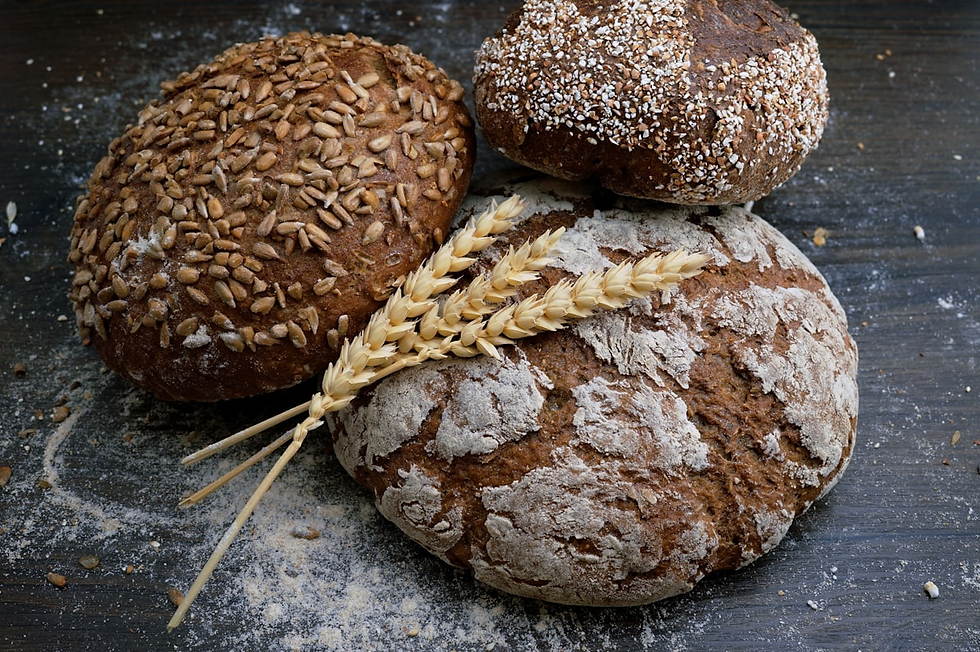
Stereotype 3: French People Eat Baguettes and Croissants Every Day
This one is surprisingly accurate! Most French people do buy fresh bread daily from their local boulangerie. The baguette is a staple at lunch and dinner tables across the country.
However, croissants are typically a weekend treat or special occasion breakfast—not an everyday food. And contrary to popular belief, French people don't walk around Paris carrying baguettes under their arms all day (though you will see this occasionally!).
MOSTLY TRUE
"I was shocked that my French host family really did go to the boulangerie every morning for fresh bread. And yes, dinner always includes a baguette on the table. It's not a stereotype—it's real life!"
— Yuki, Japanese student in Lyon
Stereotype 4: French People Are Obsessed with Wine and Cheese
Absolutely true—but in a sophisticated way. Wine and cheese aren't just food and drink in France; they're an art form. French people can spend 20 minutes at the fromagerie selecting the perfect cheese, discussing ripeness and regional origins.
However, not everyone drinks wine with every meal, and younger generations are actually drinking less than previous ones. The culture around wine is more about quality, terroir, and pairing than about quantity.
TRUE
What surprises students: The incredible variety and quality. There are over 400 types of cheese in France, and wine regions have completely distinct personalities. It's not just a cliché—it's a deeply rooted cultural tradition.
Stereotype 5: French People Don't Speak English (or Pretend Not To)
This is outdated. Most French people under 40, especially in cities, speak at least some English. However, they may be shy about speaking it due to concerns about their accent or making mistakes.
The key insight my students learn: If you make an effort to speak French first—even just "Bonjour" and "Parlez-vous anglais?"—French people are much more willing to help you in English.
MOSTLY FALSE (Today)
"I thought French people refused to speak English out of arrogance. But after living here a year, I realize they're just self-conscious about their accent—just like I am about my French! When I started my conversations in French, people actually switched to English to help me."
— Tom, British student in Bordeaux
Swiss Stereotypes: What's True, What's Not?
Now let's cross the border and look at the Swiss. Do they really live up to their reputation for precision, chocolate, and neutrality?
Stereotype 1: Swiss People Are Always Punctual and Super Organized
This stereotype is remarkably accurate. Punctuality isn't just polite in Switzerland—it's a cultural cornerstone. Arriving even 5 minutes late to a meeting or dinner can be seen as disrespectful.
Swiss efficiency extends beyond punctuality: public transport runs like clockwork, systems are well-organized, and there's a general expectation that things should function smoothly and predictably.
ABSOLUTELY TRUE
"I learned the hard way that 'Swiss time' is not a joke. I arrived 10 minutes late to a dinner party thinking it was fashionable—everyone was already eating! Now I set my watch 5 minutes early."
— Maria, Spanish student in Geneva
The difference with France: While French people may tolerate a 10-15 minute delay (le quart d'heure académique), Swiss punctuality is non-negotiable. My students moving from France to Switzerland have to adjust their internal clocks!
Stereotype 2: Swiss People Eat Fondue and Raclette All the Time
Swiss people do love their cheese dishes, especially in winter, but they're seasonal specialties—not daily meals. Fondue and raclette are social, celebratory foods typically enjoyed on weekends or special occasions.
The Swiss diet is actually quite international and varied, reflecting the country's multicultural population.
PARTLY TRUE
What students discover: When Swiss people do have fondue or raclette, it's a whole event—a long, leisurely meal with friends and family, often accompanied by white wine and followed by digestif.
Stereotype 3: Swiss People Are Reserved and Cold
Swiss people are indeed more reserved than many cultures, valuing privacy and personal space. They're not big on small talk with strangers and take time to warm up to new people.
However, once you're accepted into their circle, Swiss people are incredibly loyal, reliable, and generous friends. The friendship may take longer to develop, but it's deeper and more lasting.
PARTLY TRUE
"Making Swiss friends took me almost a year, compared to weeks in other countries. But now I have friends who would drive two hours to help me move apartments. The warmth is there—it just takes patience to find it."
— Ahmed, Moroccan student in Lausanne
Stereotype 4: Switzerland Is Expensive (Very Expensive)
This is not a stereotype—it's a fact. Switzerland consistently ranks as one of the most expensive countries in the world. A simple coffee can cost 5-6 CHF, a restaurant meal easily 25-40 CHF, and rent in cities like Zurich or Geneva can be astronomical.
However, salaries are also significantly higher, and the quality of life, infrastructure, and services reflect the cost.
COMPLETELY TRUE
Budget tip from my students: Shop at Aldi and Lidl, cook at home, take advantage of student discounts, and remember that tap water in Switzerland is some of the best in the world—free and delicious!
For more tips on saving money, check out our guide to grocery shopping in Switzerland.

France vs. Switzerland: Key Cultural Differences My Students Notice
Beyond the stereotypes, my students often notice deeper cultural differences between the two countries. Here's what stands out most.
🇫🇷 France
More expressive and emotional communication
Flexible with time (le quart d'heure)
Love of debate and intellectual discussion
More bureaucratic processes
Vibrant café culture
Longer lunch breaks (1-2 hours)
🇨🇭 Switzerland
More reserved and diplomatic communication
Extremely punctual and organized
Preference for consensus over debate
Highly efficient systems
Early closing times for shops
Shorter, more efficient lunch breaks
The Most Surprising Stereotypes That Turned Out to Be FALSE
Some stereotypes surprised my students the most — because they turned out to be completely wrong.
❌ "French people shower less"
Completely false and offensive. This outdated myth needs to die. French people have the same hygiene standards as anywhere else in the developed world.
❌ "Swiss people all speak four languages fluently"
Switzerland has four national languages (German, French, Italian, Romansh), but most Swiss people are fluent in their regional language plus English, not all four national languages.
❌ "Everyone in France wears berets and striped shirts"
This is pure Hollywood fantasy. You'll see more berets in tourist shops than on actual French people's heads! French style is actually quite varied and contemporary.
Understand French and Swiss Culture Through Language Learning
The best way to truly understand French and Swiss culture—beyond stereotypes—is to learn the language and engage with native speakers. Start by learning everyday French expressions that native speakers actually use.
Ready to go further? Explore our online private French lessons or join our French conversation classes to gain the cultural confidence you need.
In my free Masterclass, you'll discover the 10 most common mistakes that French learners make and how to avoid them!

The Truth Behind the Stereotypes
After years of hearing my international students' experiences, here's what I've learned: stereotypes usually contain a grain of truth, but they're vastly oversimplified. French people aren't rude—they just have different social codes. Swiss people aren't cold—they value privacy and meaningful connections over superficial friendliness.
The real France and Switzerland are far more nuanced, diverse, and fascinating than any stereotype can capture. Every region has its own personality, every generation has different values, and every individual defies categorization.
The best approach? Come with an open mind, learn the language, respect the culture, and give yourself time to understand the subtle differences. The stereotypes might be entertaining, but the real cultural discovery is infinitely richer.
What's your experience? Which stereotypes turned out to be true or false for you?
To receive weekly French tips to improve your French, subscribe to my newsletter!

Audrey, your French teacher 👩🏫


Comments